2026.06.22 CANYON Visit Report
2026.06.22 CANYON Visit Report
Experiencing the Ultimate Craftsmanship of a Top German Bicycle Brand
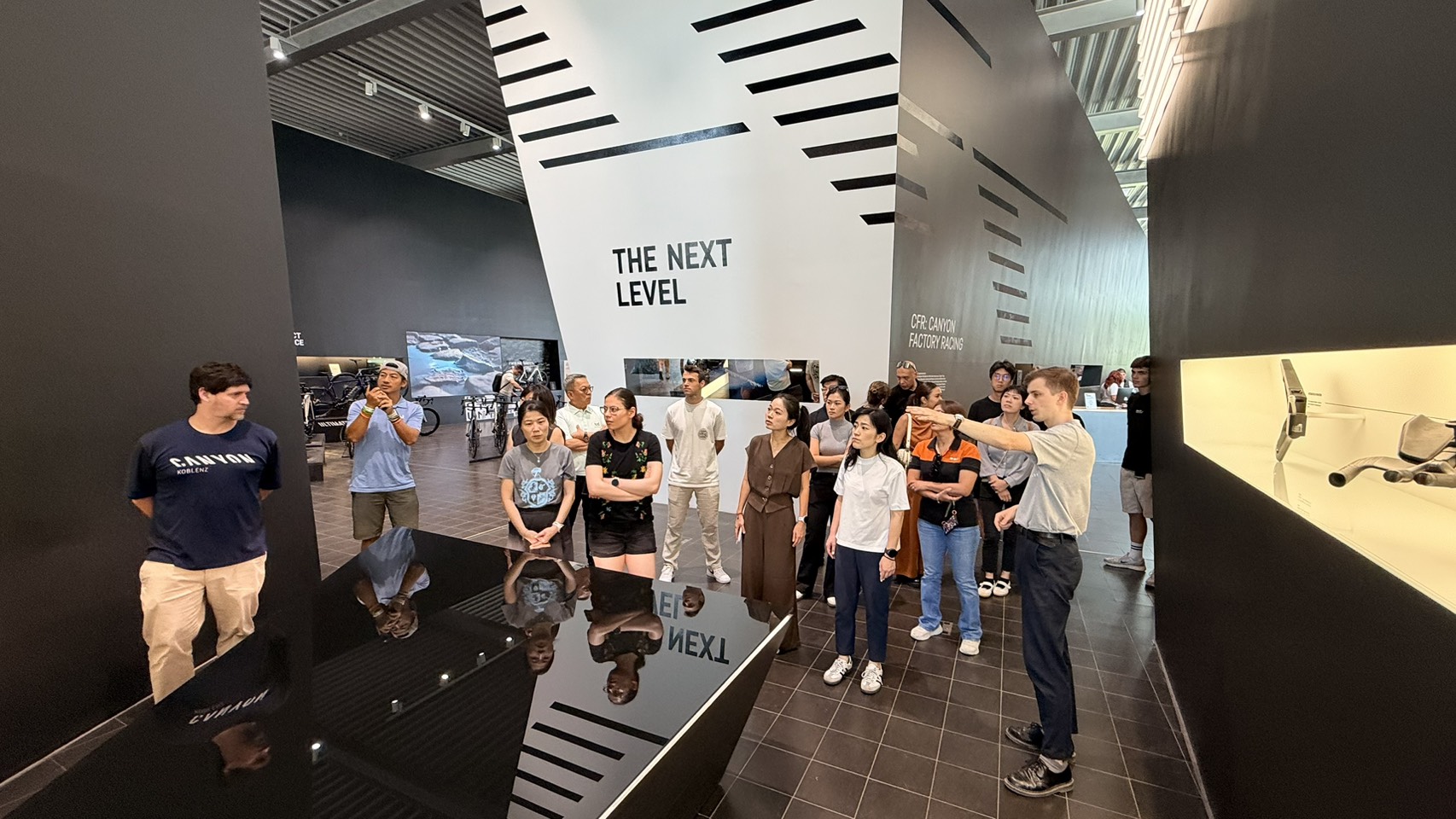
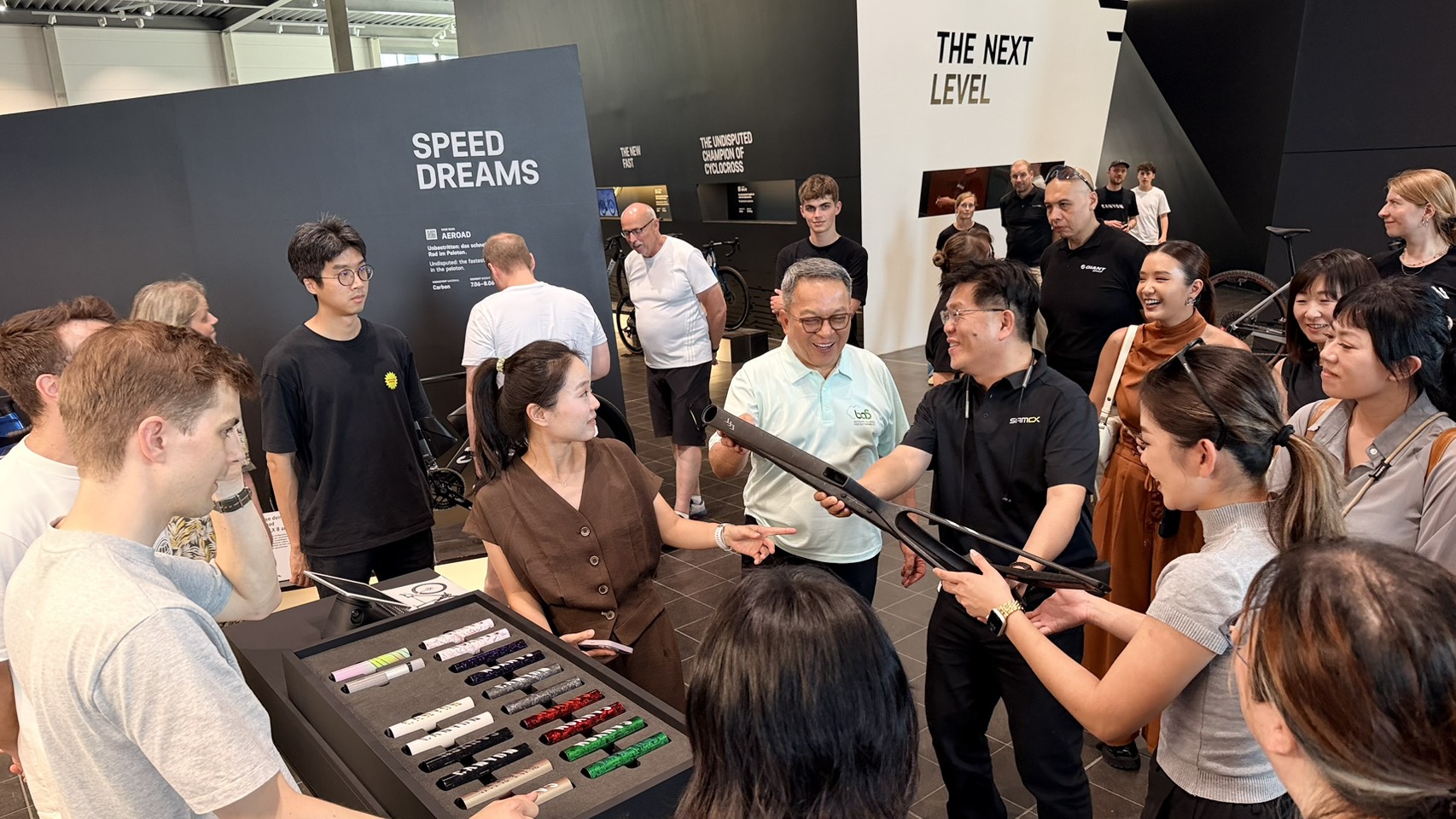
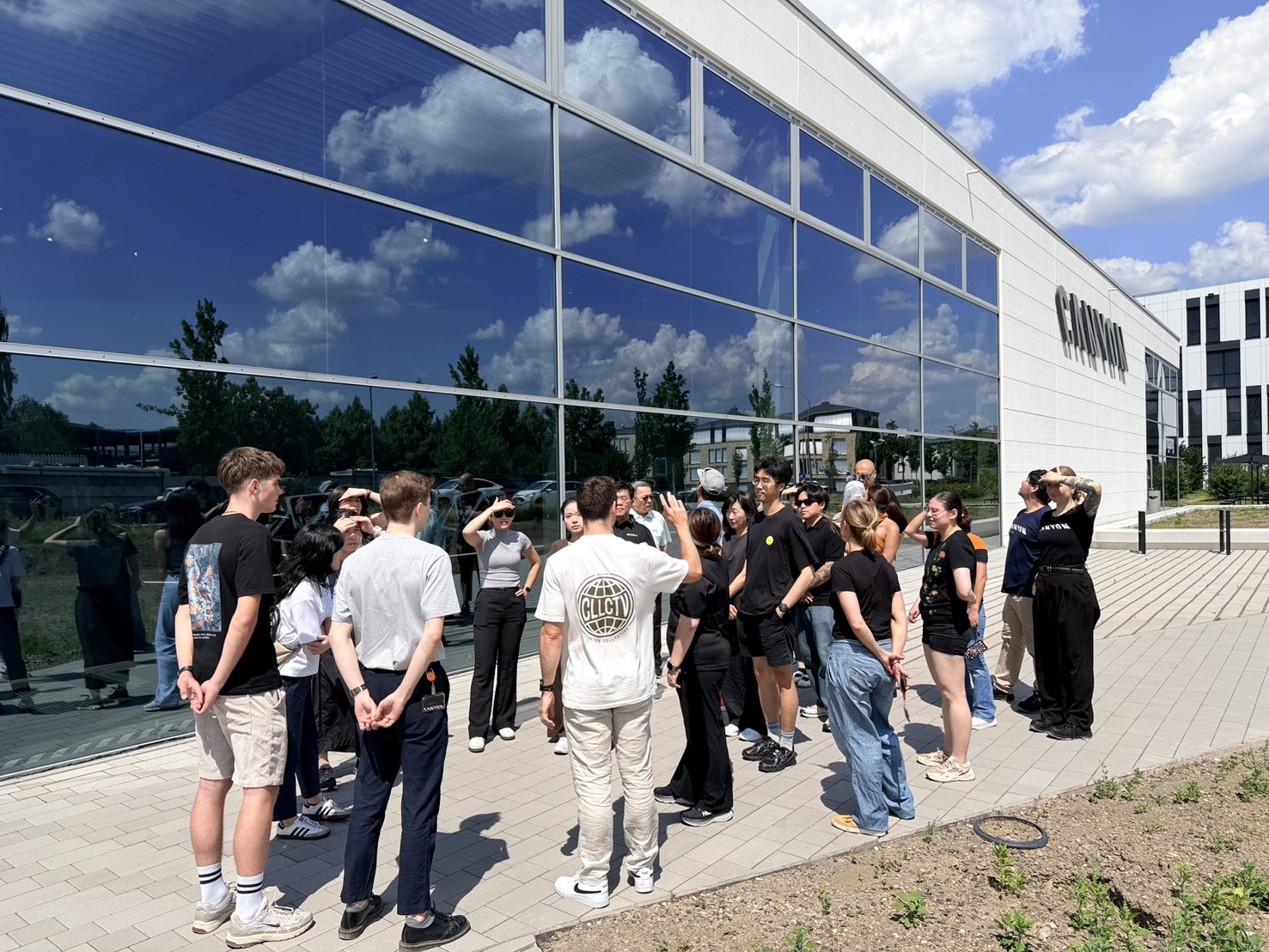
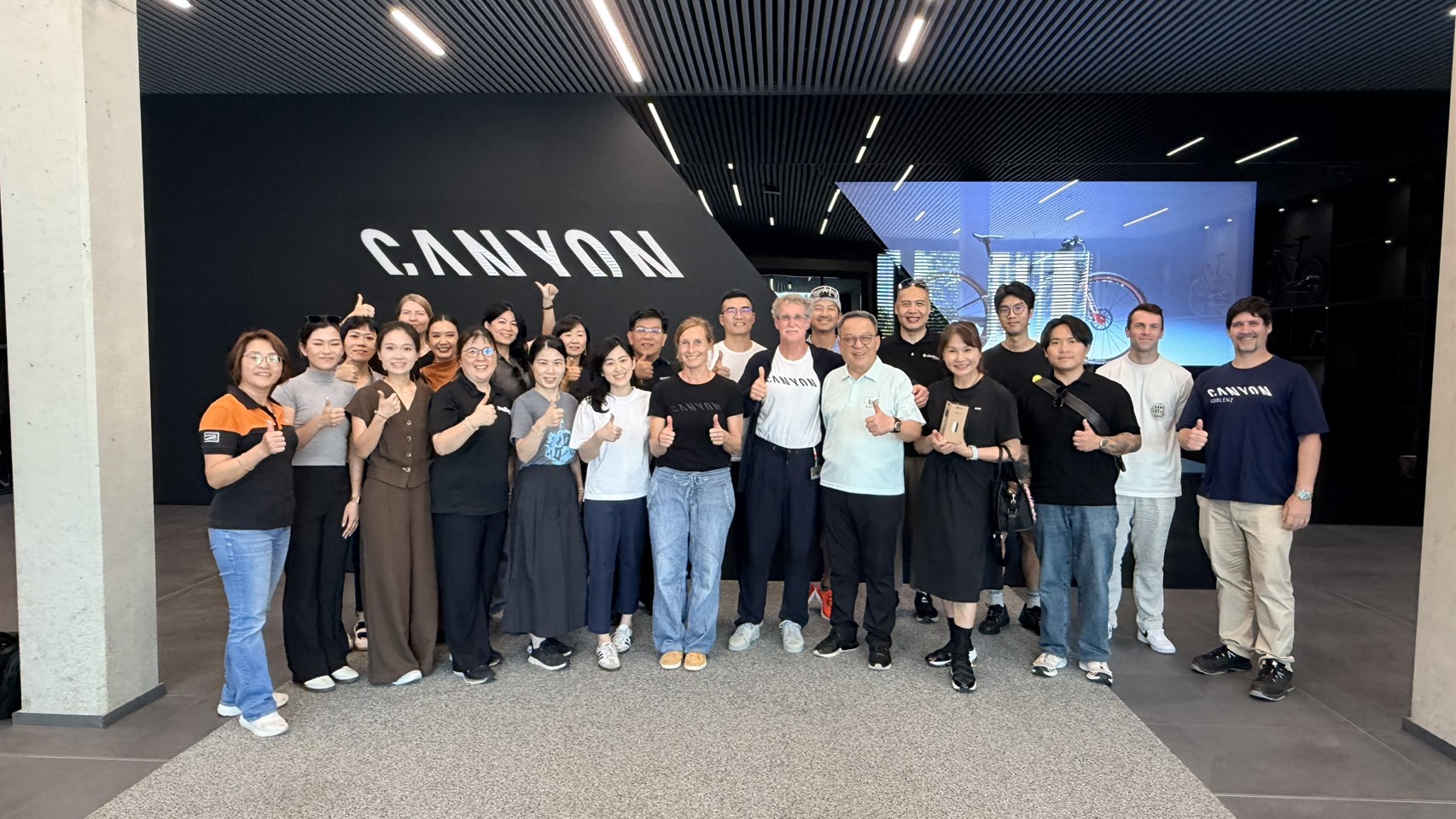
On Monday, June 22, 2026, a delegation from the Bicycling Alliance for Sustainability (BAS), led by Chairman Young Liu, visited the renowned German bicycle brand CANYON for an exchange visit. The delegation included 16 representatives from 15 BAS member companies, including Giant, Joy, Fritz Jou,Velo, CHC, NUVO, U-Logis, SAMOX, RST, Willing, Great Go, Thunder, Cionlli,WELLGO, and NECO. The core focus of the visit was to observe CANYON's digitalized and automated smart factory management model and its ESG strategy.CANYON welcomed BAS with professionalism and enthusiasm, giving members a deep appreciation of their dedication.
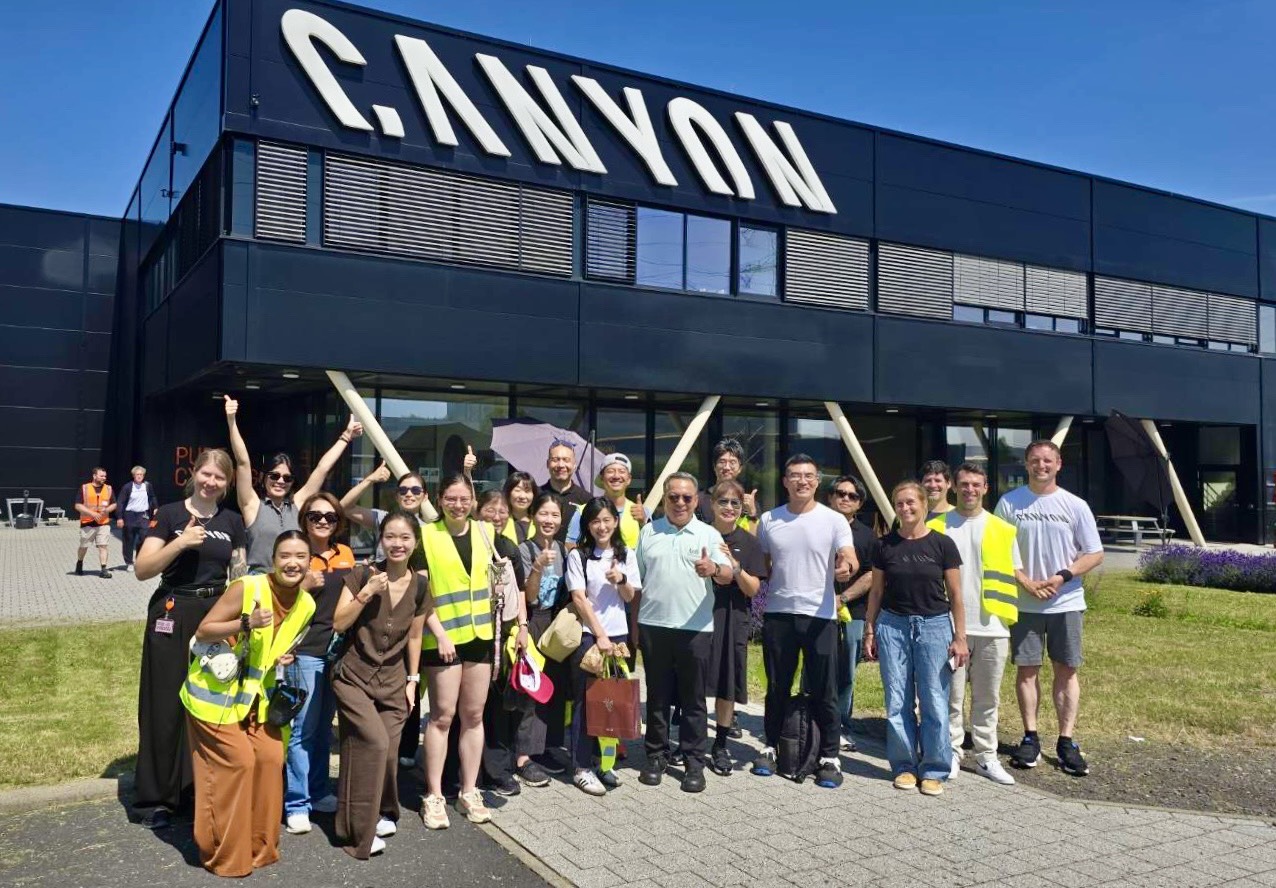
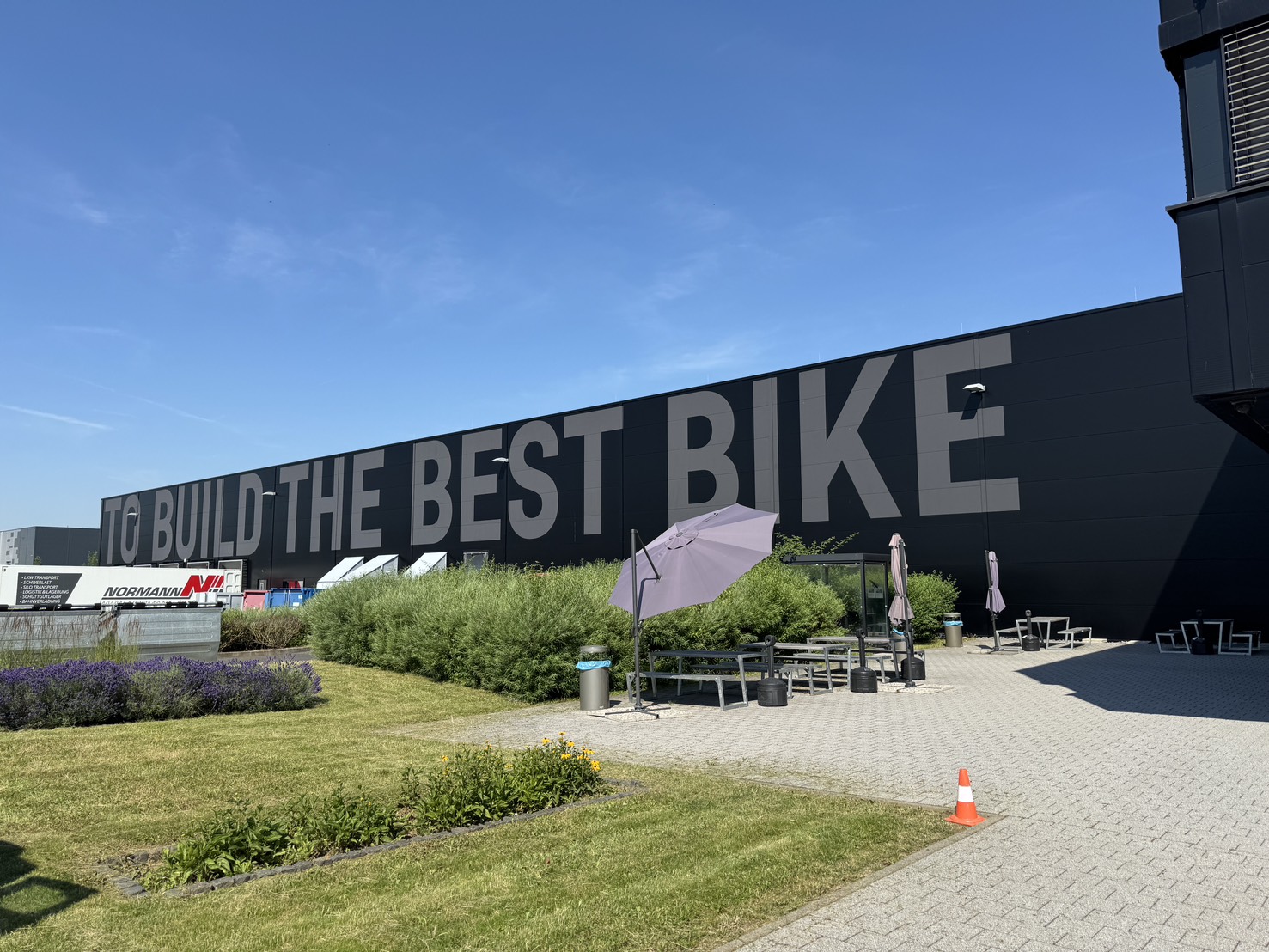
(CANYON Factory Site)
CANYON Factory Visit Highlights
1. Environmental Health and Safety (EHS) Standards: CANYON treats “safety” as a core principle. The first step for visitors upon arrival is to receive an evacuation route map, and they are required to change into high-visibility vests and dedicated safety-toe shoes, ensuring they can be identified and protected at all times within the factory. The factory even has a building-grade explosion-proof paint fire room, which physically isolates high-risk processes through an independent space and water-seal gap design.
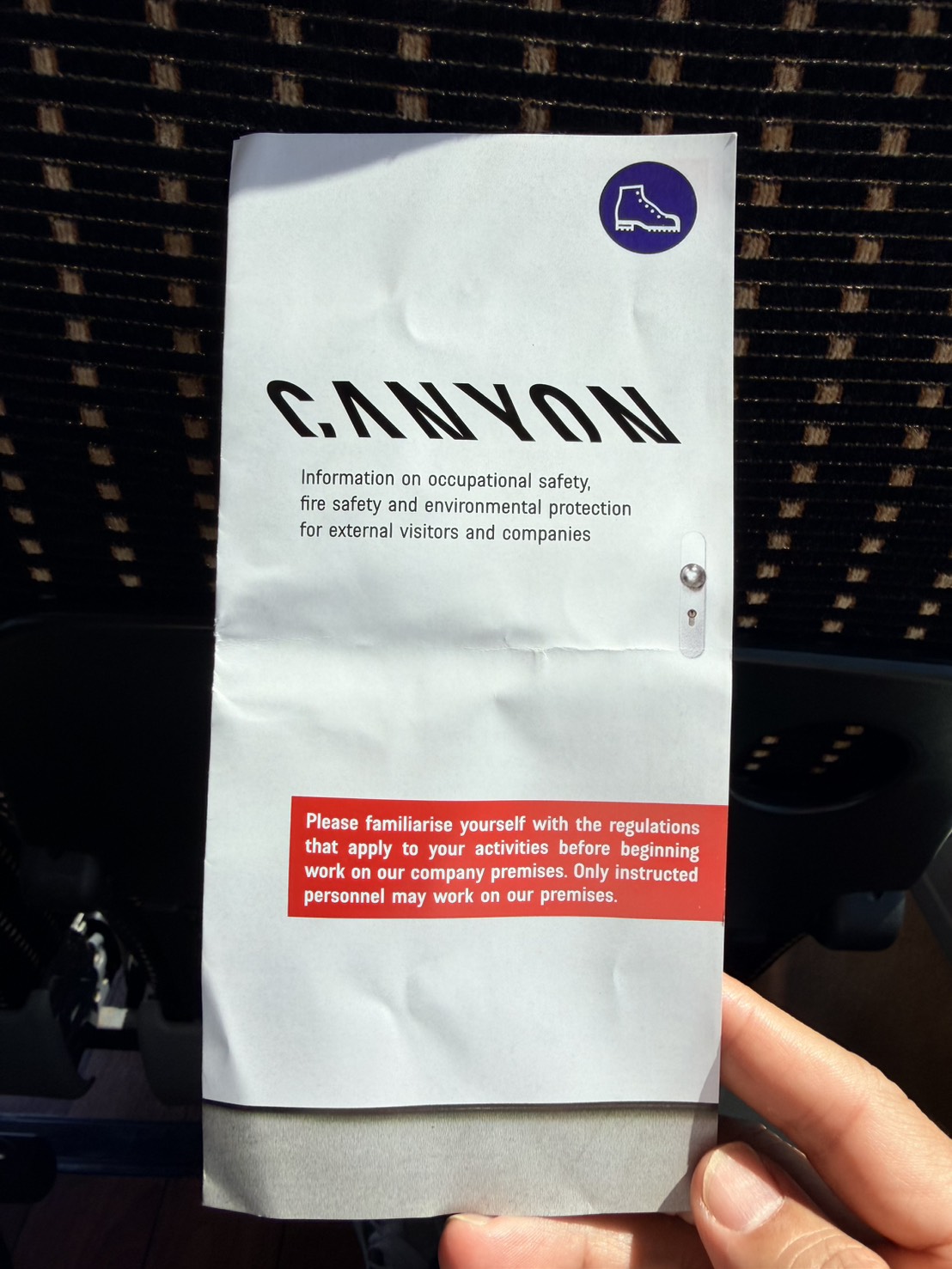
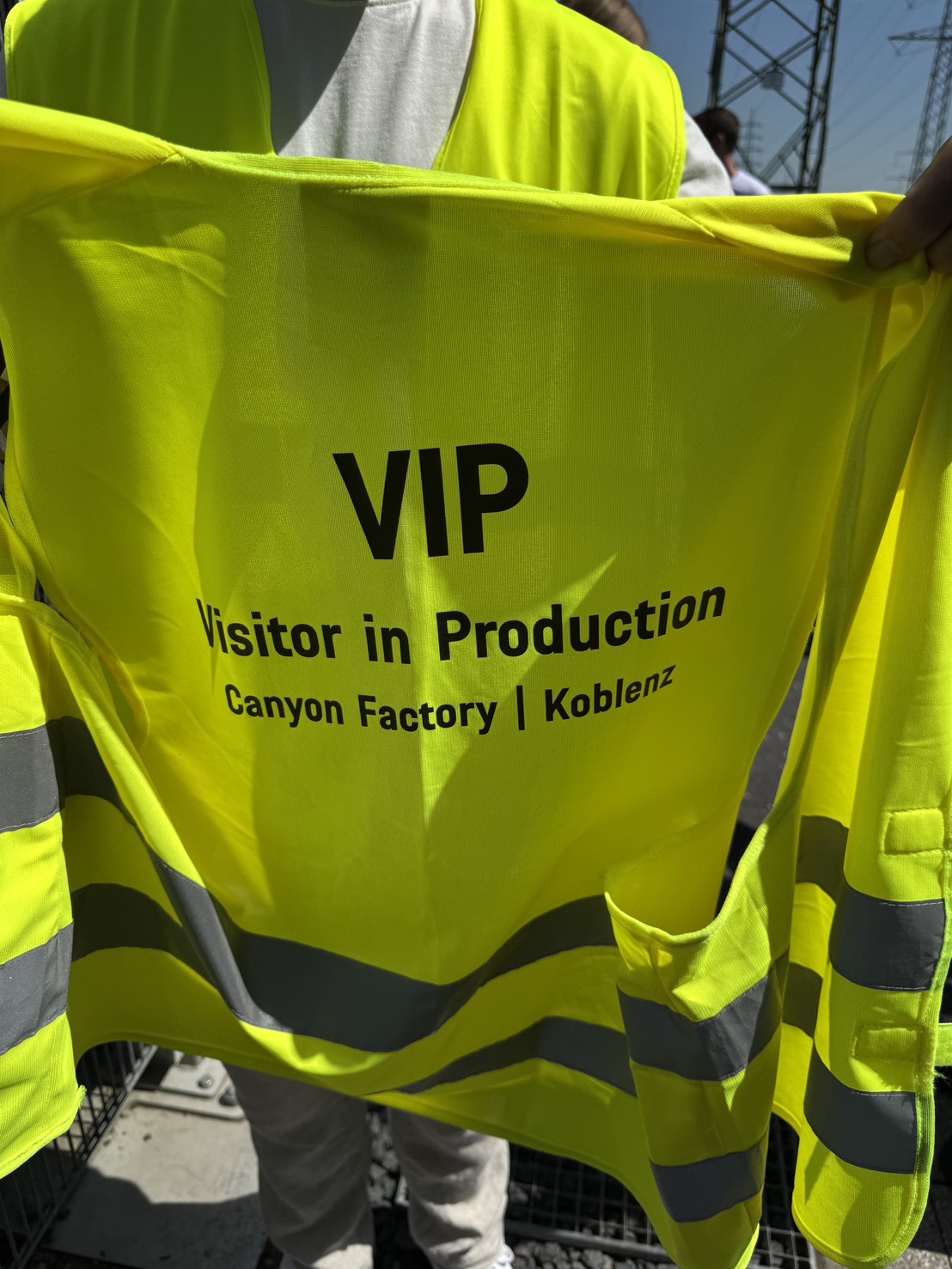
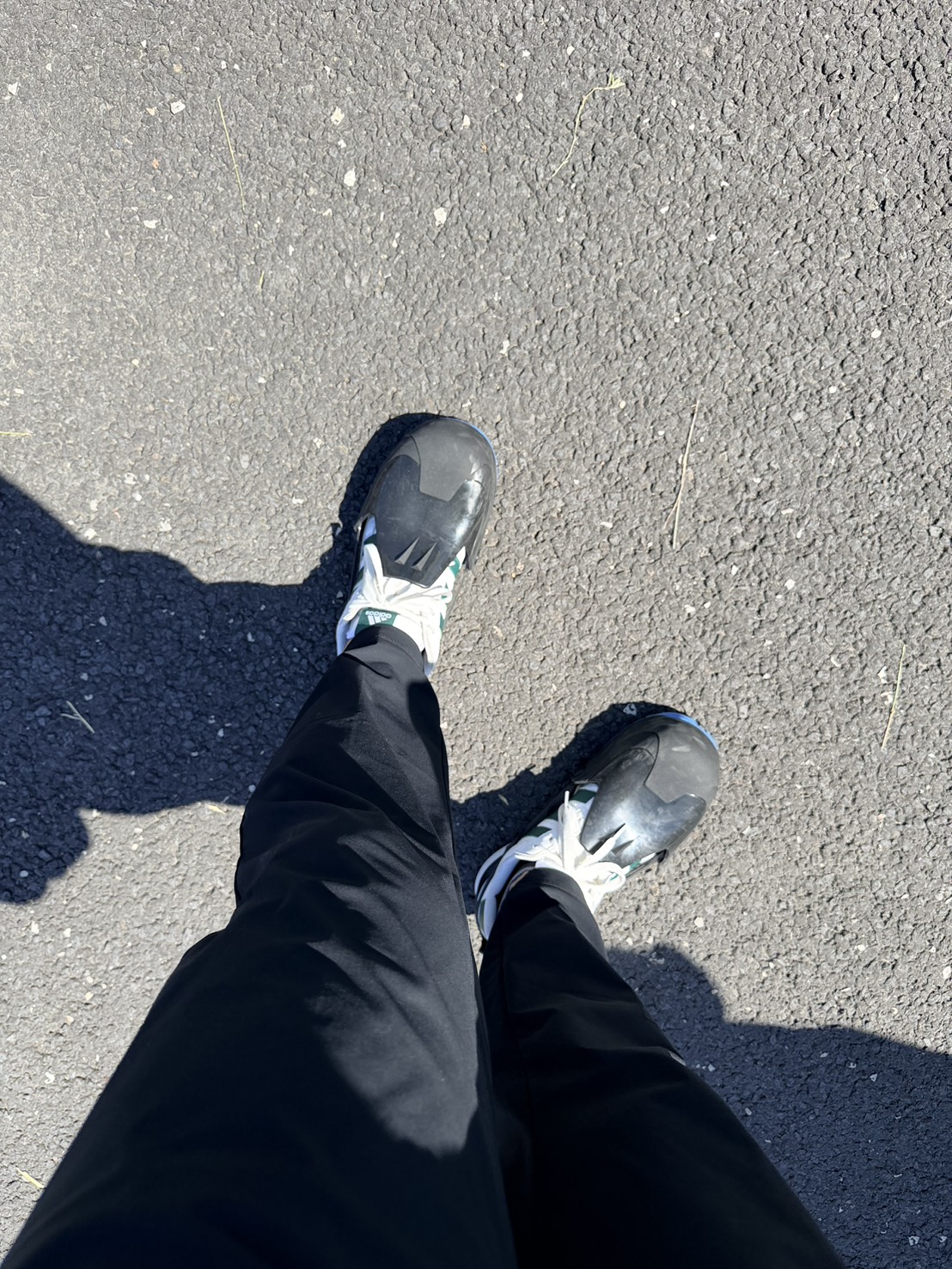
(Evacuation Route Briefing) (High-Visibility Vest) (Safety Toe-Cap Shoes)
2. Digital Production and Visual Management: Every production item is assigned a dedicated QR code, and operators use wearable scanners and mini tablets to achieve real-time tracking and maintain digital production records throughout the entire lifecycle. In addition, through a real-time monitoring matrix in the command center,management can use visual color codes (red, yellow, green) to track factory-wide safety and provide status updates at any moment.
3. Assembly Process and Ergonomic Automation: CANYON adopts a two-stage assembly process (detailed assembly and main assembly), reducing production complexity and improving troubleshooting efficiency. A “vacuum lifting” assist system has been introduced in the factory, with machines bearing the weight of materials to eliminate physical strain on operators, significantly reducing the risk of occupational injury and allowing workers to focus on high-precision assembly.
4. Incoming Quality Control and Supplier Management: A “source-to-factory” quality management mechanism has been established, requiring suppliers to submit X-ray inspection reports followed by random spot checks, especially in case of new product launches. With such rigorous quality control, the potential for production anomalies has been significantly reduced.
CANYON ESG Strategy Sharing
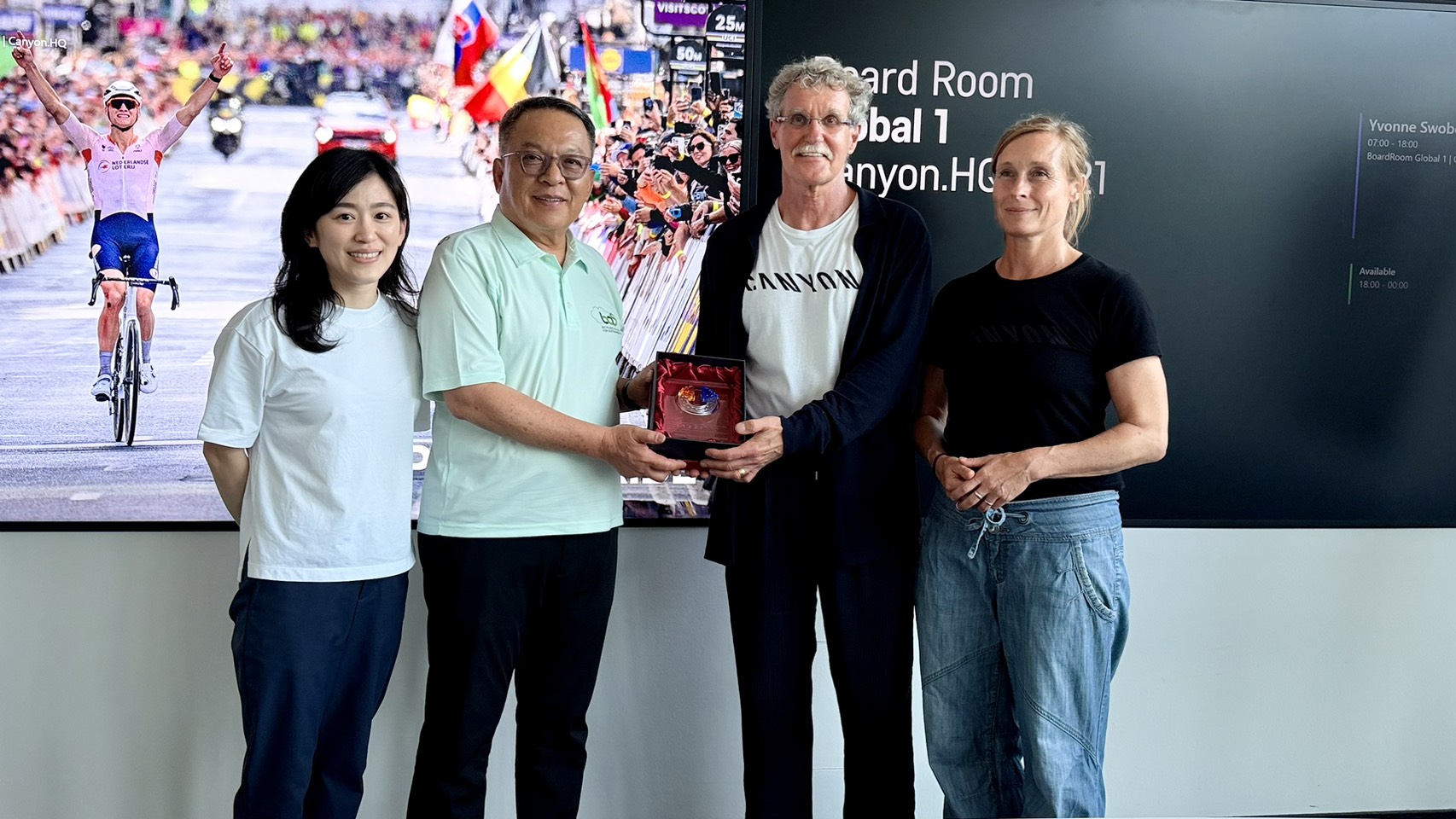
(From left: BAS: Vice Chairwoman Angelica Zhou, Chairman Young Liu. CANYON: Dr. Thomas Baumann / Chief Group Development Officer, Yvonne Swoboda / Global Director ESG)
During the presentation and exchange session, CANYON shared its experience in addressing the challenges of global sustainability transformation, emphasizing the need to close the “gap between knowing and doing” — knowing is not the same as accomplishing; what matters more is embedding these principles into corporate decision-making and truly putting them into practice. By applying double materiality assessment to evaluate the environmental and social impacts as well as the financial risks and opportunities brought by the sustainability transition, ESG is no longer merely a standalone disclosure report, but has become a core element of corporate risk management and financial resilience.
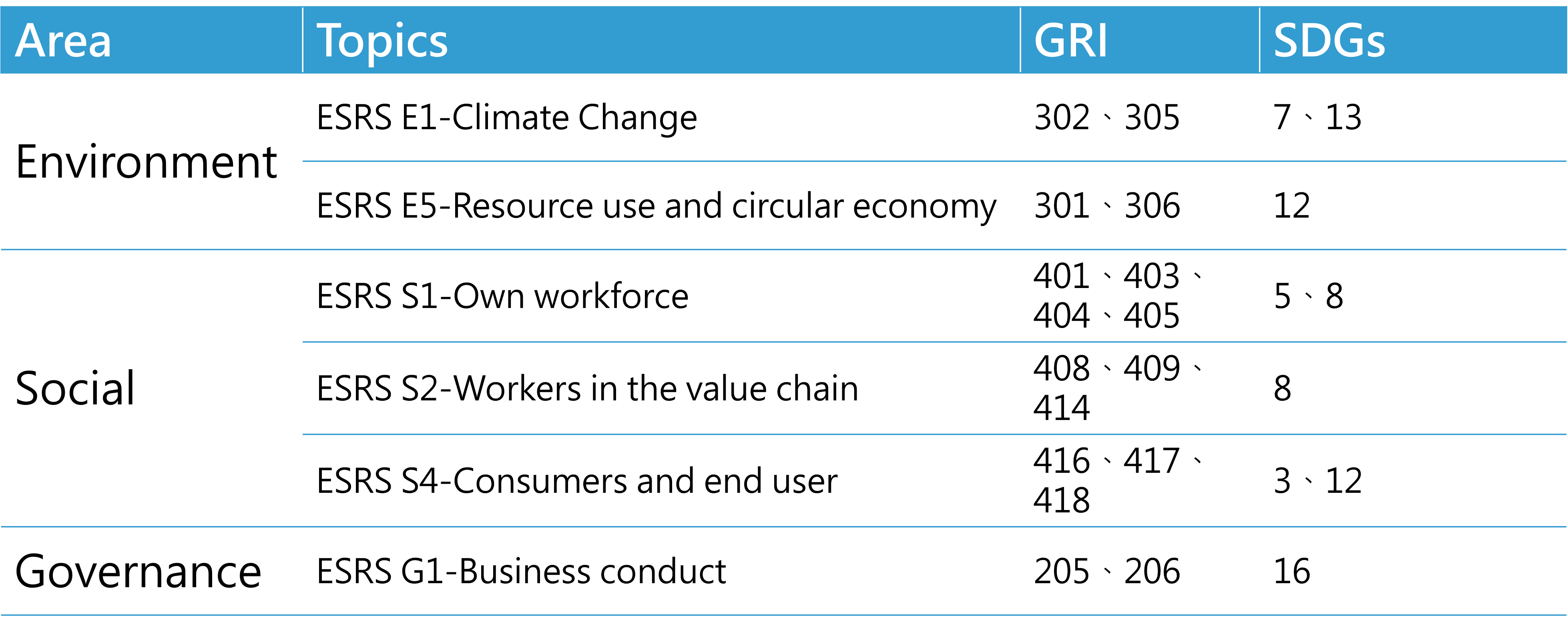 (Correspondence Between ESRS, GRI, and SDGs)
Decarbonisation: Scope 3 (supply chain) emissions were identified as accounting for 99% of the total amount of emissions. CANYON has committed that by 2032, Scope 3 emissions per bicycle produced will be reduced by 58.2% compared to the 2022 baseline.
Circular Economy: In response to the EU Green Deal and various product regulations (such as the Battery Regulation and the Packaging Waste Regulation), CANYON pointed out that, going forward, any businesses operating in or with the EU will need to provide high-quality data to assure compliance with those regulations.
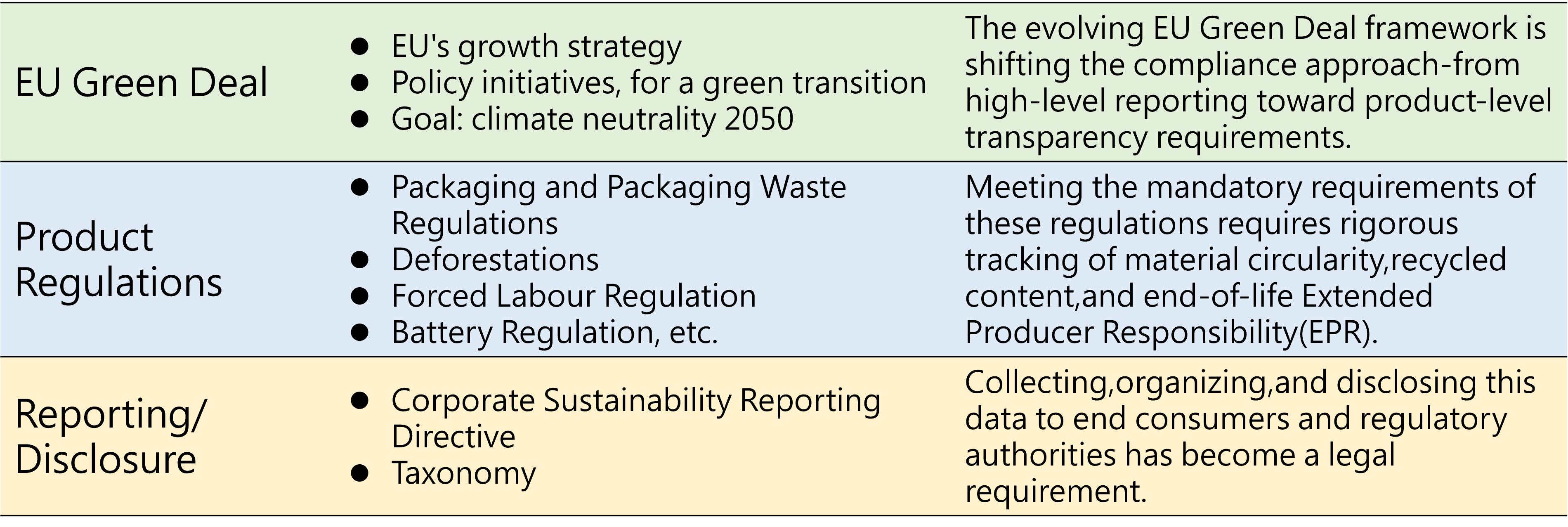
(Examples for Sustainability-Related Regulations)
Human Rights Due Diligence: CANYON applies the OECD's (Organisation for Economic Co-operation and Development) six-step due diligence framework. When anomalies are found, the focus is on supporting suppliers achieve continuous improvement through preventive and corrective measures, rather than penalizing them.
Toward a Sustainable and Resilient Future
This visit gave BAS members a profound appreciation that ESG is not a compliance burden but a driver of industry resilience. Through high-quality data and supply chain transparency, CANYON has strengthened the three pillars of “decarbonization” ,“circularity,” and “responsible business practices” - offering valuable practical insights to strengthen further collaboration with Taiwan's bicycle industry as it seeks to secure future market access.